
enter password to continue
enter password to continue
solving AI context decay &
automating global accessibility compliance
AI agents (Cursor, v0, Bolt) are "probabilistic" — they guess styles and omit accessibility, leading to massive technical and legal debt. the issue arises since AI agents can't work with design system infrastructure built for humans.
vibemagic.in — a deterministic framework that converts design systems into a "skill" file, forcing AI to follow 100% compliant rules regardless of context window limitations.
acquiring the IP, the "skill" logic, and the automated accessibility engine.
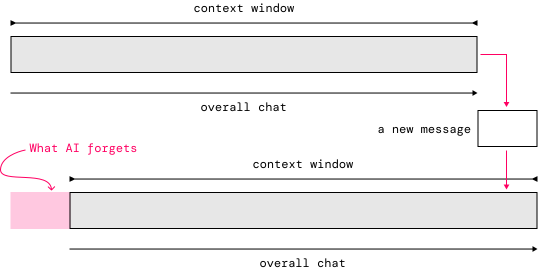
AI agents (Cursor, v0, Bolt) are "probabilistic"—they guess styles and omit accessibility, leading to massive technical and legal debt. what gets removed from context is the visual style, explained typically in message #1.
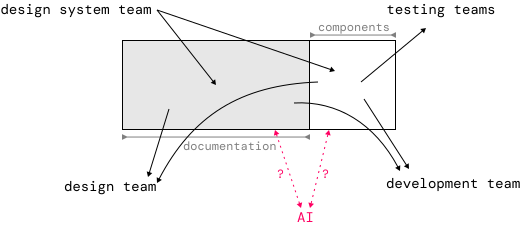
the design systems have been a single source of truth for the humans to produce, refer and build upon. unless published as node installable, these design systems can't be directly used by AI developers.
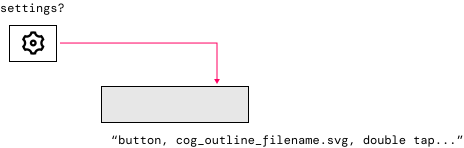
AI builds without checking the elements for contrast and accessibility labels. thus, the AI generated code might not always be accessible.
the solution...
instructions.md file sits in your project folder and gets referred to everytime the AI tried to create a UI component; thus making the visual styling instructions always available!
 1
 2
 3
 4
 5
 6
 7
 8
 9
10
11
12
13
14
15
#### Link Color

| Token | Value | Usage |
|-------|-------|-------|
| `L1` | `#096FE4` | Links and interactive elements |

### 1.2 Corner Radius Tokens

| Token | Value | Usage |
|-------|-------|-------|
| `corner-small` | `4px` | Tags, Pills, small UI elements |
| `corner-med` | `6px` | Buttons, Inputs, Modals |
| `corner-large` | `8px` | Cards, larger containers |
| `corner-full` | `9999px` | Perfectly rounded pill shaped |
instructions.md file has strict non-negotiable instructions to add name-role-value-state labels to all the component it creates, including adding semantic meaning of icons.
also does not allow building a non-regulation sized interactive element.
 1
 2
 3
 4
 5
 6
 7
 8
 9
10
11
12
13
14
15
## 12. Accessibility: Name-Role-Value Requirements

**MANDATORY:** All interactive components MUST include proper
accessibility attributes as specified below. These are not
optional guidelines—implement exactly as shown.

### 12.1 Buttons

| Attribute | Requirement |
|-----------|-------------|
| **Role** | `button` (native `<button>` element preferred) |
| **Name** | Use visible button text as the accessible name |

```html
<button>Submit Form</button>
while building the design system visually inside the tool, whenever a contrast issue is detected, the tool highlights it immediately. based on the light colors, it can auto-generate suitable dark mode tokens without human intervention.
 1
 2
 3
 4
 5
 6
 7
 8
 9
10
11
12
13
14
15
#### Neutral Semantic Mapping

| Role | Light Mode | Dark Mode |
|------|------------|-----------|
| Background Primary | N9 `#FFFFFF` | ND9 `#0F172A` |
| Background Secondary | N8 `#F8FAFC` | ND8 `#334155` |
| Background Tertiary | N7 `#F1F5F9` | ND7 `#64748B` |
| Background Deep | N6 `#E2E8F0` | ND6 `#94A3B8` |
| Outline | N5 `#CBD5E1` | ND5 `#CBD5E1` |
| Outline Solid | N6 `#E2E8F0` | ND6 `#94A3B8` |
| Outline Dim | N4 `#94A3B8` | ND4 `#E2E8F0` |
| Content Disabled | N4 `#94A3B8` | ND4 `#E2E8F0` |
| Content Lighter | N3 `#64748B` | ND3 `#F1F5F9` |
| Content Light | N2 `#334155` | ND2 `#F8FAFC` |
| Content Primary | N1 `#0F172A` | ND1 `#FFFFFF` |
let's talk
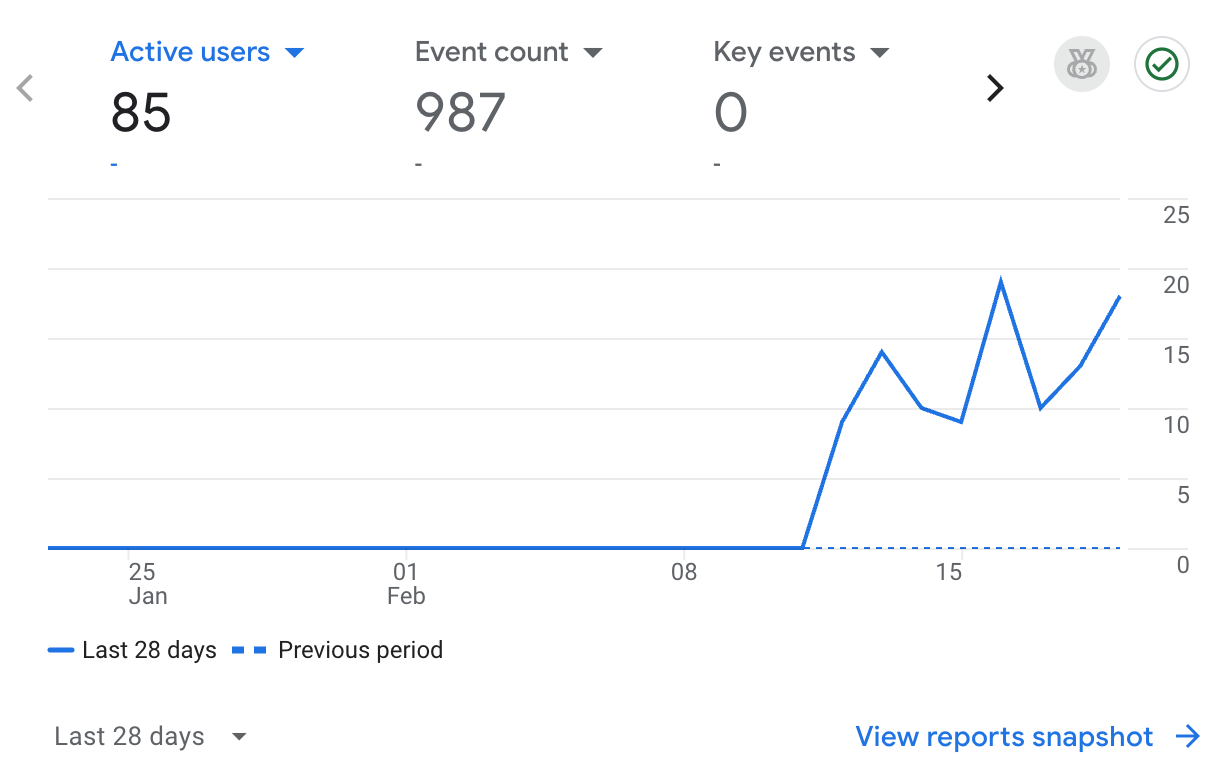 active user trend as of 11/04/2026
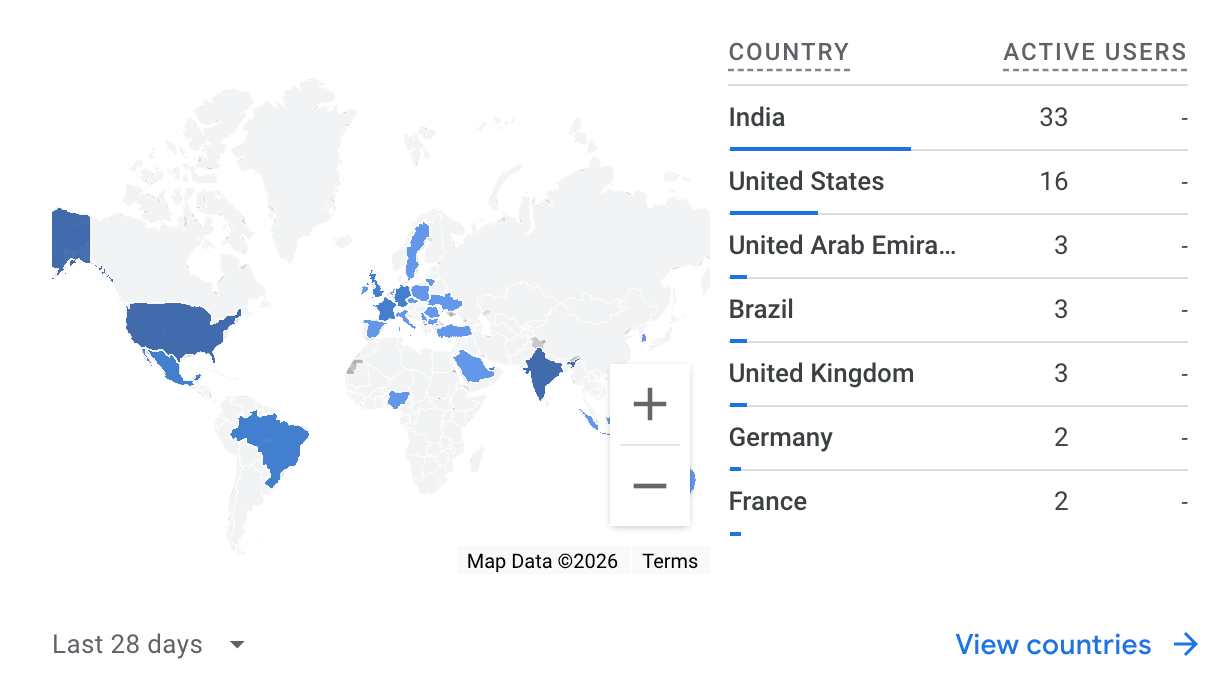 outreach @zero CAC as of 11/04/2026
Experiment with Claude code to convert images into code first through guesswork and then through instructions. The one with instructions shows drastic improvements in the visual consistency.
I am selling "the only design system engine that guarantees AI-generated code is visually consistent and WCAG compliant"
asking price — $450K.
the average ADA/EAA lawsuit settlement or remediation cost for a mid-sized company is $50,000 – $100,000.
if a buyer uses this tool to protect just 5 clients from accessibility lawsuits, the tool has already paid for itself.
if this tool saves a developer 10 hours of "context debugging" per month, at a $100/hr rate, a team of 10 developers saves $120,000 per year in lost productivity.
making the look and feel consistent with own tokens can make the vibe coding platform enterprise ready. bolt is already doing it to an extent
Since designers are taking over development with vibe coding, it is essential to meet designers in their natural environment. vibemagic is a visual builder, at home for builders
Dr. Aashutosh is passionate about accessibility. in the last six years he has worked closely with three design systems. currently working inside an AI studio, he challenged himself to develop front-end code from his designs. that's where he encountered the problem of limited context window and AI engineers defaulting back to purple/blue buttons. out of frustration, he decided to build this instruction file which would always deliver consistent UI with the design system and brand guidelines. this gave birth to vibemagic.
get in touch at double.a11y187@gmail.com